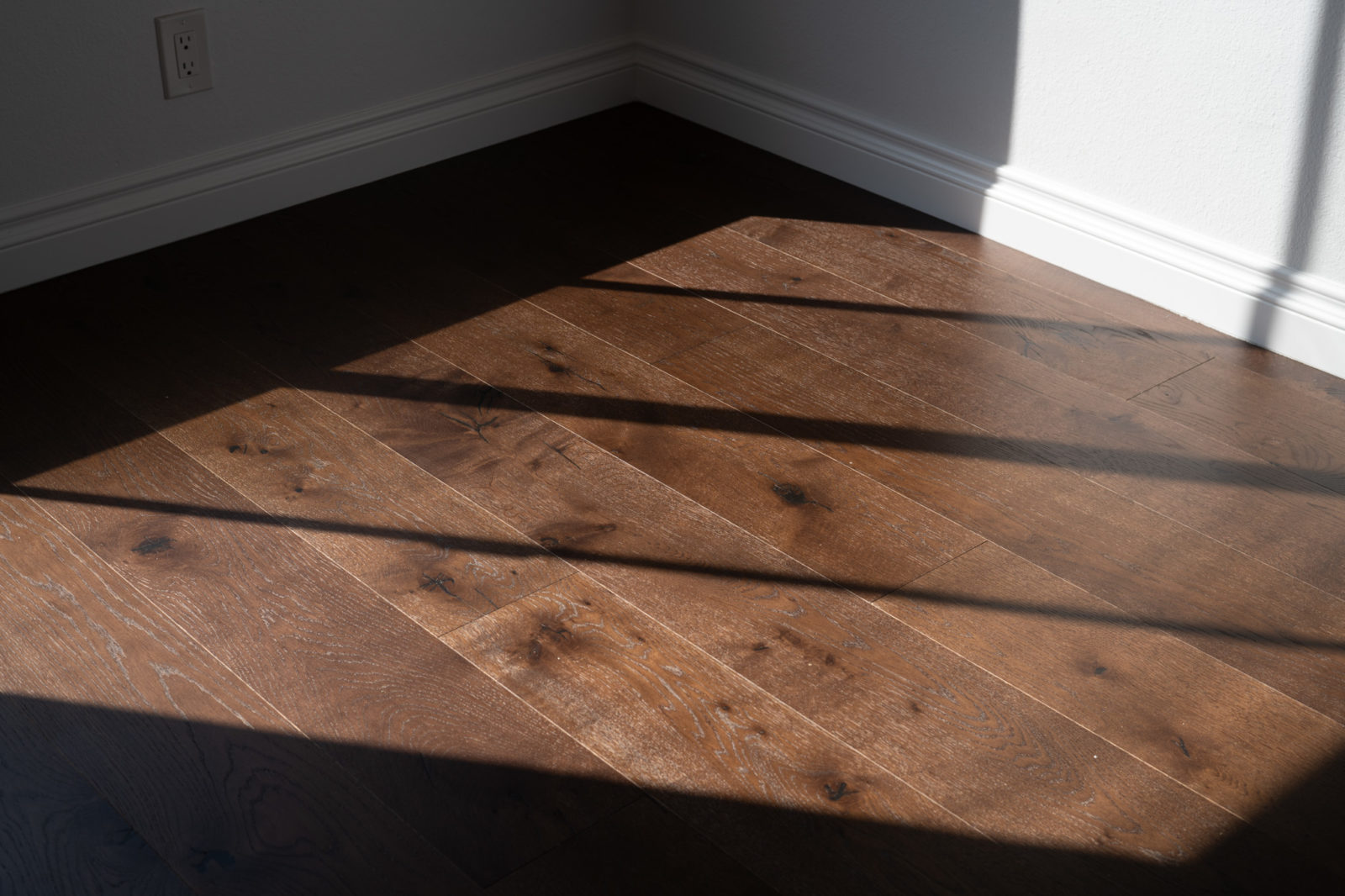
Choosing hardwood flooring is about more than finding a color you love. The right floor needs to fit your home, lifestyle, design preferences, subfloor, and expectations for long-term performance.
So, what should you look for when buying hardwood flooring?
Start with construction, wood species, wear layer, finish, plank width, grade, installation requirements, and warranty. These specifications can have a bigger impact on how your floor looks and performs over time than color alone.
If you’re shopping for hardwood flooring, here’s what to consider before making your decision.
1. Start With Solid vs. Engineered Hardwood
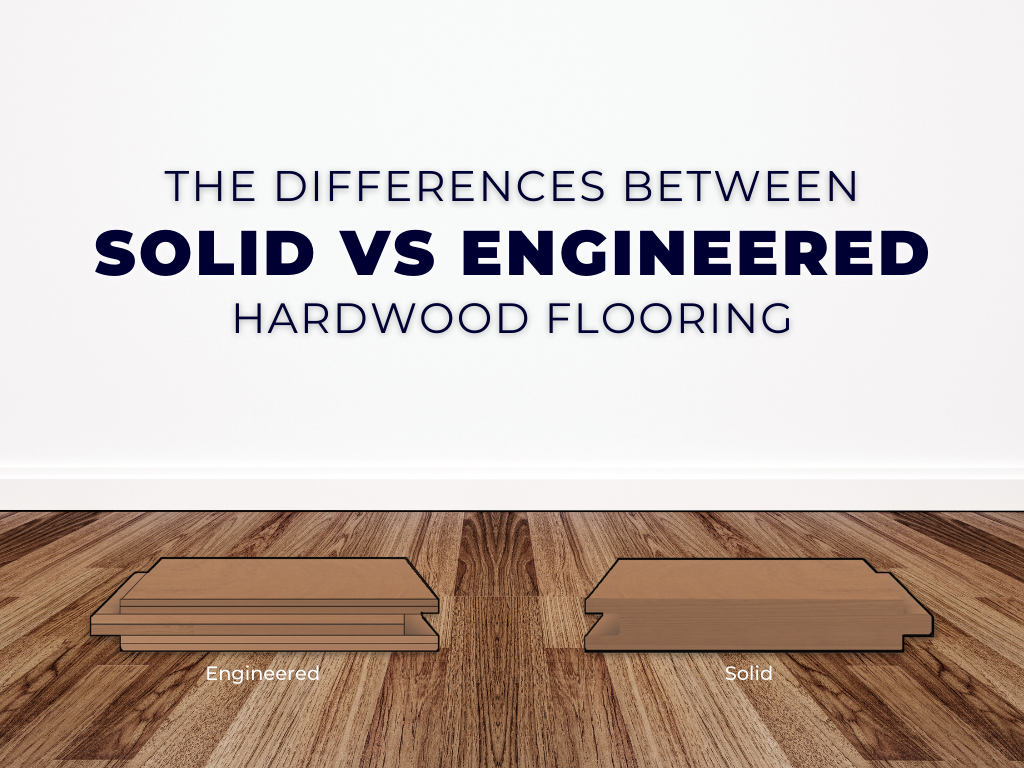
One of the first decisions to make is whether you want solid hardwood or engineered hardwood.
Solid hardwood is milled from a single piece of wood. It can be sanded and refinished multiple times, but it is also more susceptible to expansion and contraction as humidity changes.
Engineered hardwood features a genuine hardwood top layer over a multi-layer core. This construction provides greater dimensional stability, making engineered hardwood a popular option for wider planks and installations where solid hardwood may not be appropriate, including some installations over concrete.
Neither construction is automatically right for every home. The best choice depends on your subfloor, installation conditions, climate, and how you plan to use the space.
For homeowners interested in wide-plank flooring, engineered hardwood is particularly worth considering. Many wide-plank floors use engineered construction to provide the stability needed for larger board dimensions.
2. Look at the Wear Layer
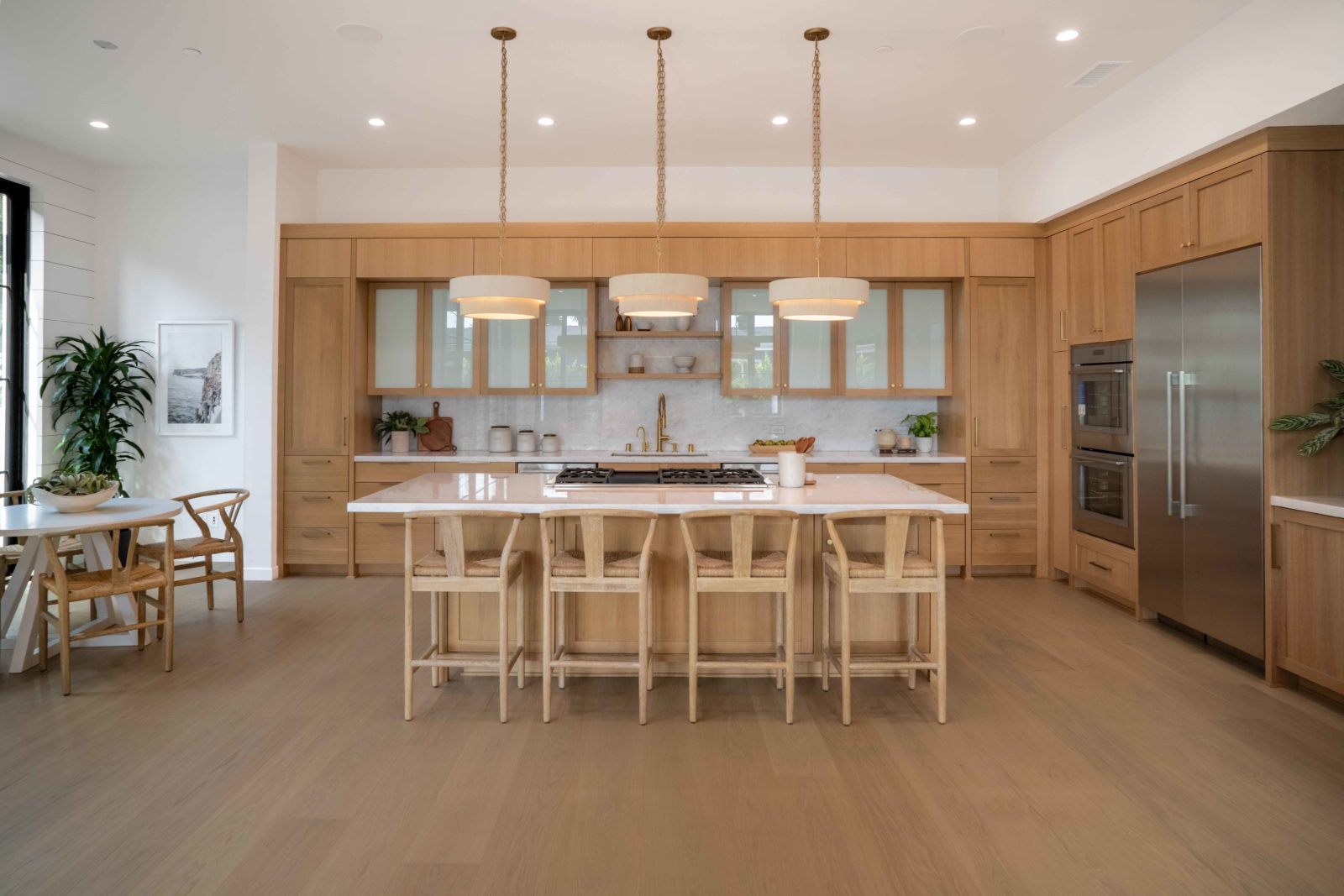
If you’re comparing engineered hardwood floors, don’t stop at the total thickness of the plank. Pay attention to the wear layer, or the thickness of the genuine hardwood layer above the core.
Why does the wear layer matter?
A thicker wear layer provides more real wood above the core and can give you more options for future maintenance or refinishing, depending on the manufacturer’s specifications. A thinner wear layer may limit those options.
For example, Doma Select 9-1/2″ from the Allora Collection features a 4mm top layer. It combines a substantial real-wood layer with a 5/8″ engineered birch plywood construction and a wide 9-1/2″ plank.
That makes specifications like wear-layer thickness especially important when you’re comparing premium wide-plank engineered hardwood.
Tip: Ask for the actual wear-layer thickness rather than relying on terms like “premium” or “high quality.”
3. Consider the Wood Species
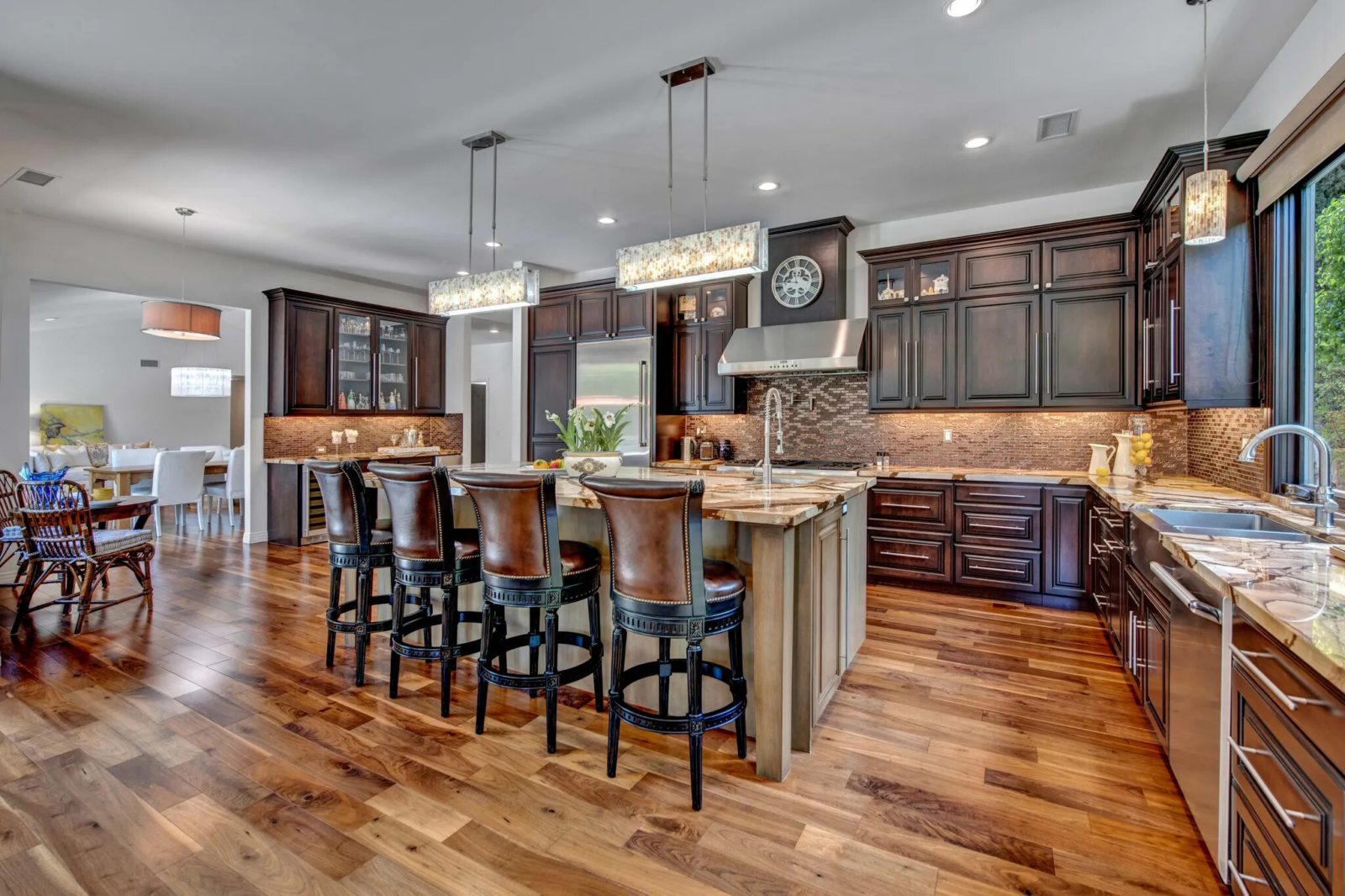
The species of wood affects the appearance, grain pattern, color, and hardness of your floor.
Oak remains one of the most popular hardwood flooring species because it offers a combination of recognizable grain, durability, and design versatility. But you aren’t limited to oak.
For something more distinctive, exotic hardwood species can create a dramatically different look.
Acacia Natural from Garrison’s Exotics Collection is a great example of how a distinctive wood species can bring natural character to a space. Acacia is known for its varied grain patterns, natural color variation, and warm, organic appearance. Acacia Natural features a 4mm wear layer, a smooth surface, and a durable aluminum oxide finish, making it a strong option for homeowners who want a hardwood floor with plenty of natural character.
The important thing is to choose a species based on both how you want your floor to look and how you expect it to perform.
4. Pay Attention to the Finish
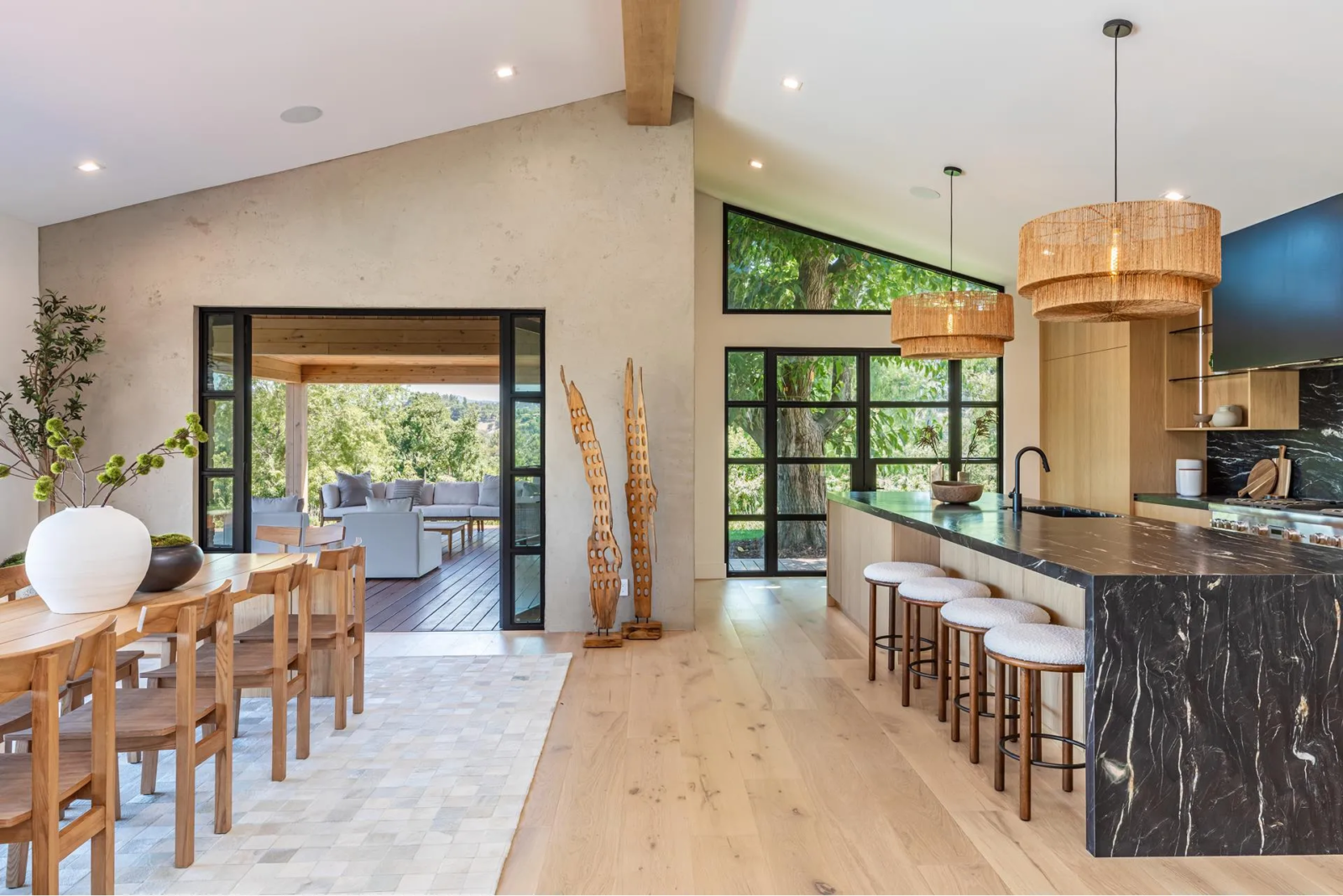
The finish protects the surface of your hardwood flooring and contributes to its appearance and everyday performance.
When comparing floors, look at both the type of finish and the surface treatment.
Common considerations include:
- Aluminum oxide finishes
- UV-cured finishes
- Urethane finishes
- Matte or higher-sheen appearances
- Smooth, wire-brushed, or textured surfaces
A factory-applied finish can also provide a consistent appearance across the floor.
For example, Walden from the Beverly Hills Collection combines a urethane and aluminum oxide finish with a light wire-brushed surface. The result is a floor with visible texture without an overly rustic appearance. Walden also features a 4mm top layer and 9-1/2″ width.
When shopping, don’t just ask, “What color is this floor?” Ask “How is this floor finished?”
5. Choose a Plank Width That Works for Your Space
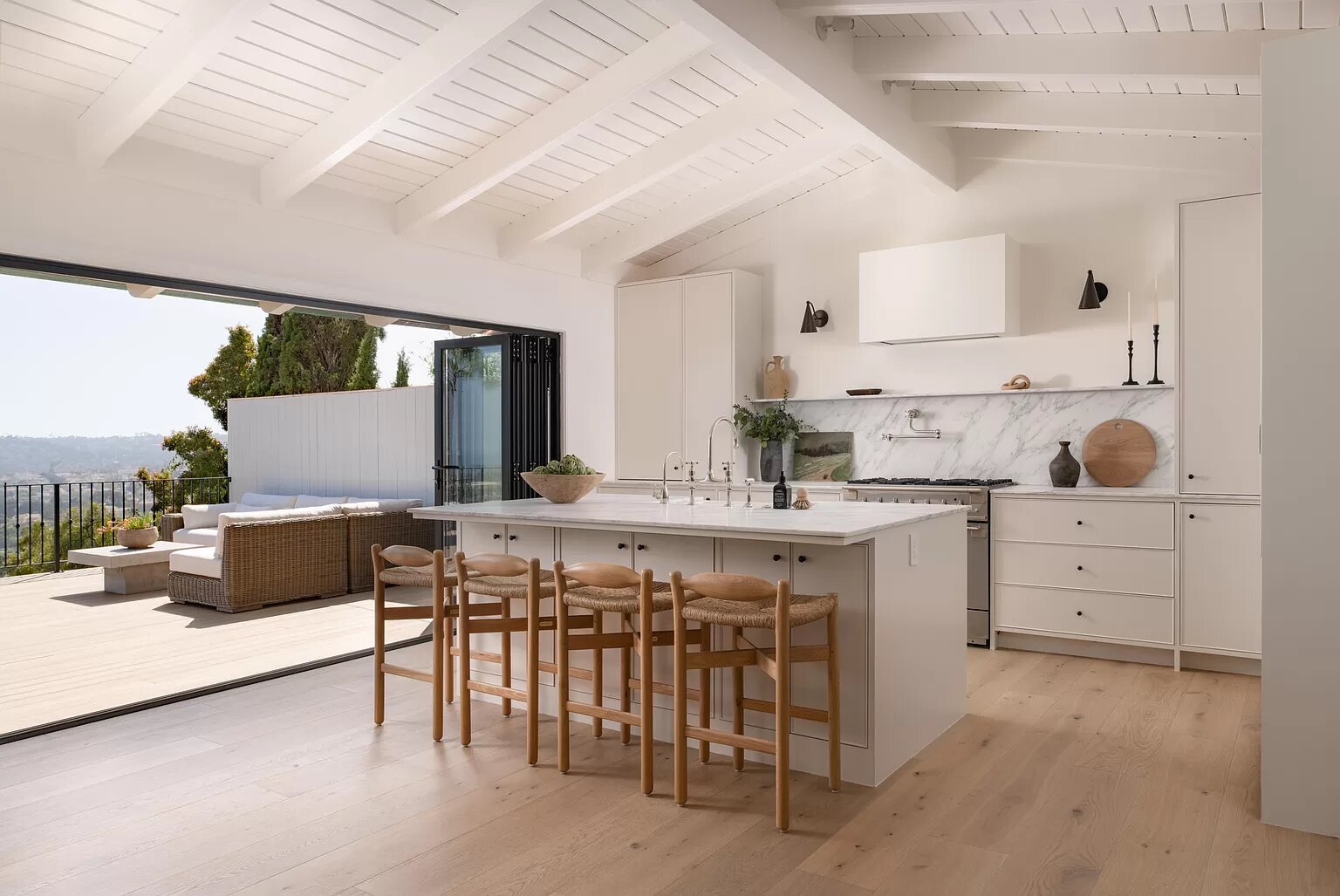
Plank width can dramatically change the appearance of a room.
Narrower planks can create a more traditional hardwood floor appearance, while wide planks tend to create a more open, contemporary look with fewer seams across the room.
Wide-plank hardwood has become especially popular in modern and transitional interiors, but the right width ultimately depends on the size and design of your space.
For example, both Doma Select 9-1/2″ and Walden 9-1/2″ offer a wide-plank format that can create a clean, expansive appearance. Doma Select features mostly 7’8-1/2″ lengths, while Walden features mostly 7’2-1/2″ lengths.
Longer boards can also reduce the number of end joints and contribute to a more continuous visual flow.
6. Think About Grade and Natural Variation
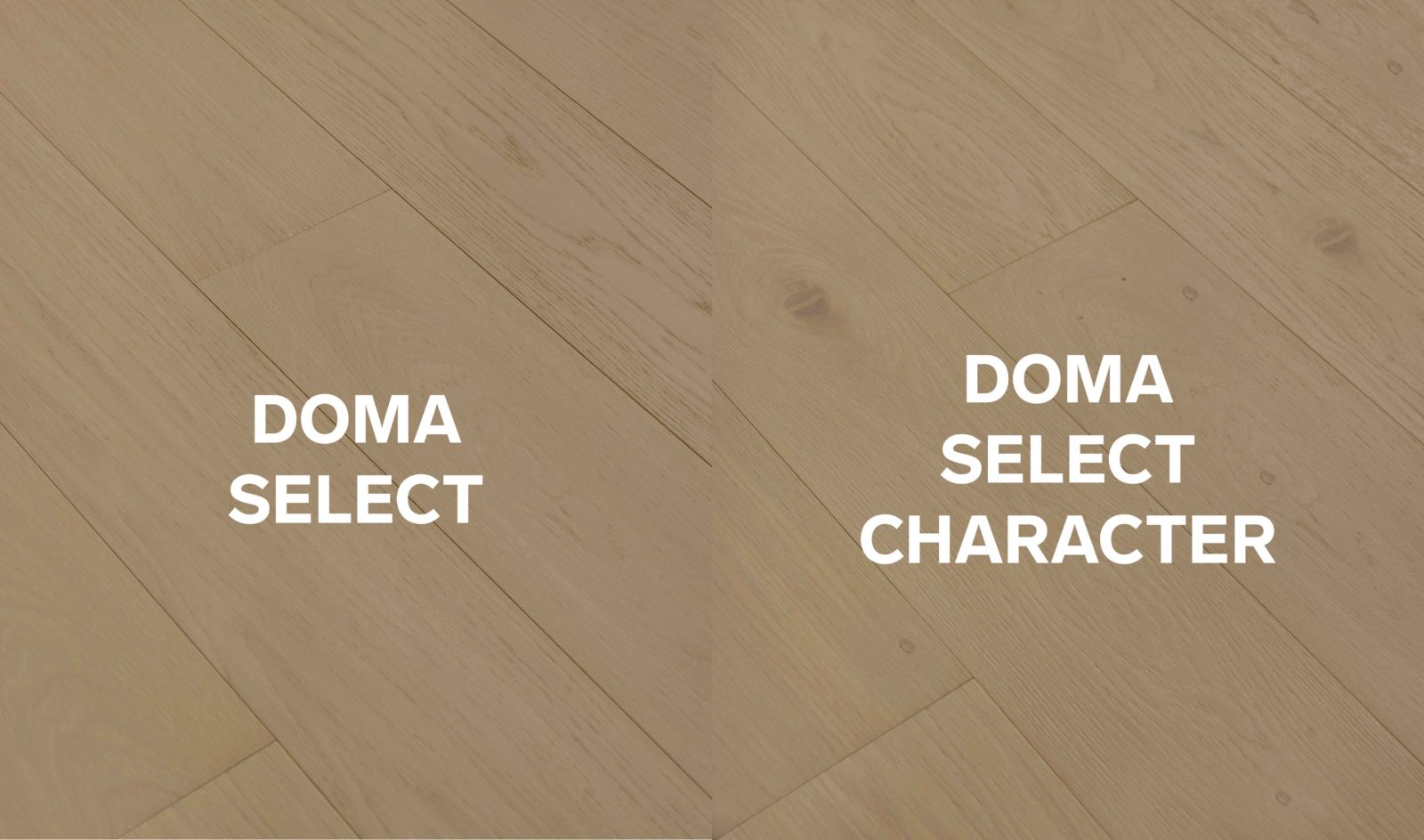
Not every hardwood floor is supposed to look perfectly uniform.
Wood is a natural material, so grain patterns, knots, color variation, and other characteristics will vary from board to board. The grade of the flooring helps determine how much natural variation you can expect.
A Select grade generally offers a cleaner and more consistent appearance.
A Select Character grade allows more natural variation, giving the floor additional visual movement and personality.
Neither look is inherently better. The right choice depends on your design preference.
For example, Doma Select 9-1/2″ is offered in a Select grade for a more refined and consistent appearance, while Walden is Select Character, giving the European Oak more natural variation.
7. Consider Your Lifestyle
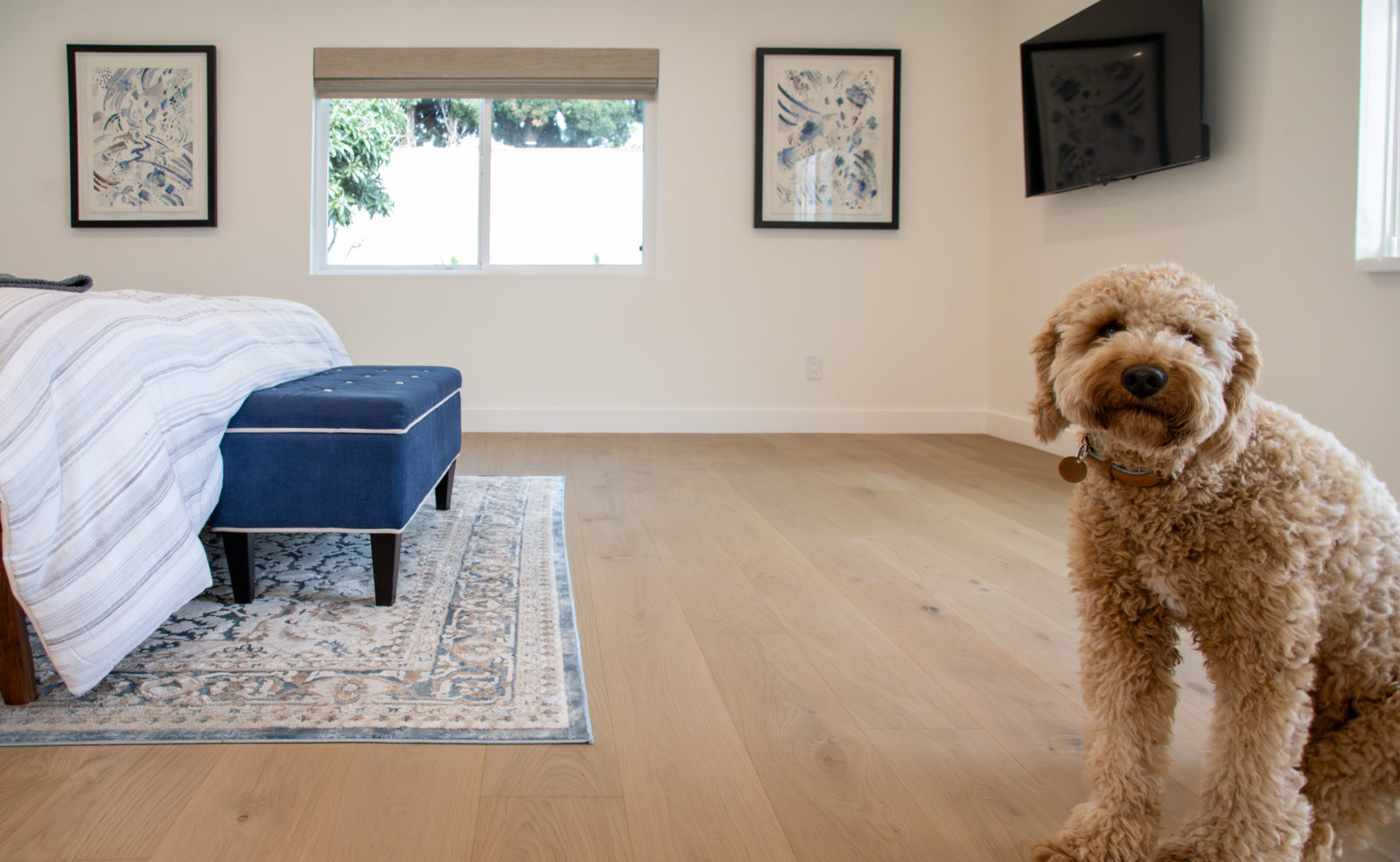
Think about how the room will actually be used.
Do you have pets? Kids? Frequent guests? Heavy foot traffic? Or is the flooring going into a quieter formal space?
Your lifestyle should influence your choice of species, finish, color, and surface texture.
A floor with some natural variation can be more forgiving of everyday marks and changes in appearance. Meanwhile, a more uniform floor may be better suited to homeowners who want a clean, refined aesthetic.
This is also where color becomes more than a design decision.
Lighter floors can create an airy, open feeling, while deeper colors can bring warmth and contrast to a room. Natural variation and grain can also affect how noticeable everyday wear appears.
8. Consider Where the Flooring Will Be Installed
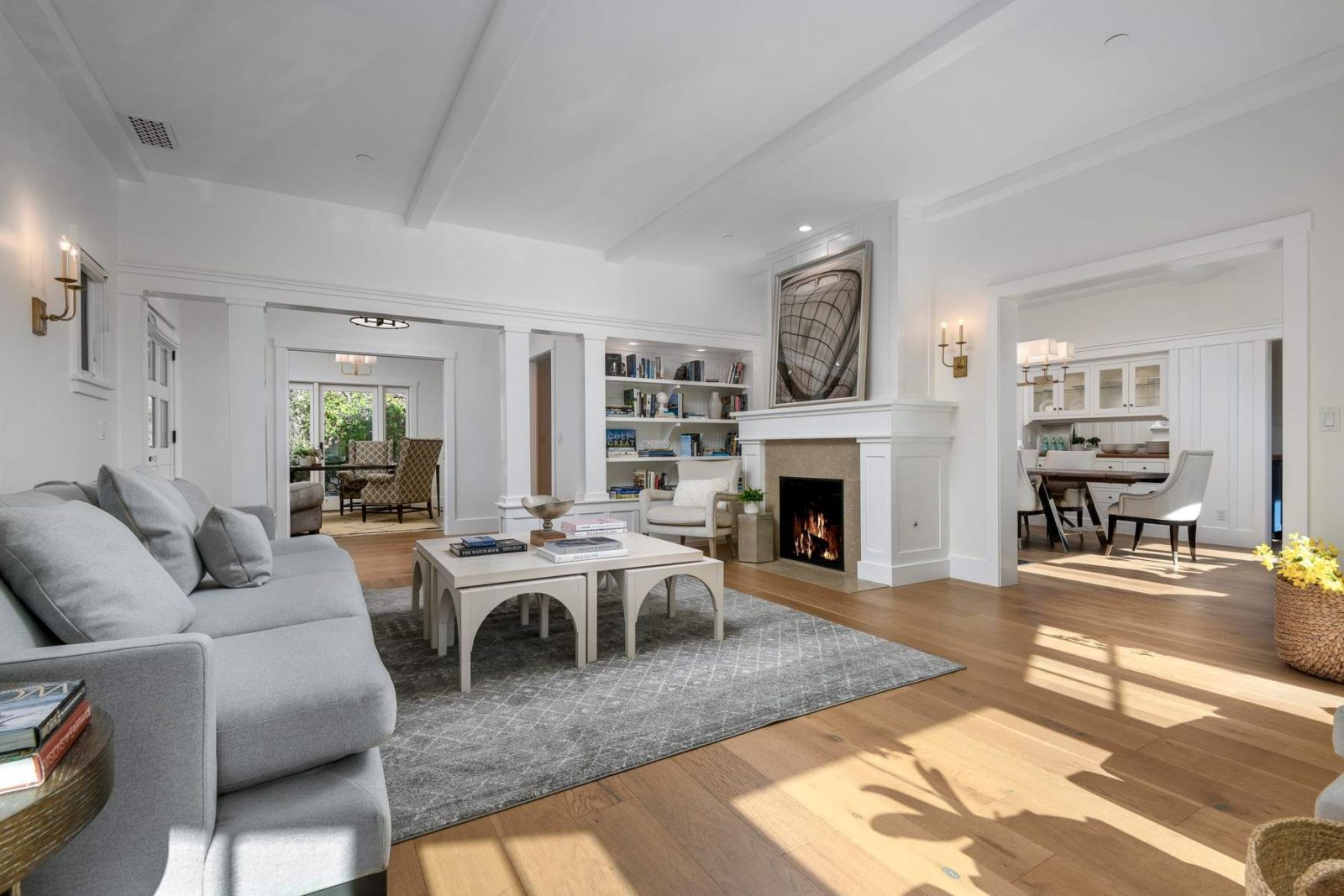
Your room and subfloor matter.
Before purchasing hardwood flooring, determine:
- What type of subfloor you have
- Whether the installation is above grade, on grade, or below grade
- Whether moisture could be an issue
- Which installation methods are approved
- Whether the flooring is compatible with your specific installation conditions
Engineered hardwood is often a practical option for homeowners who need additional dimensional stability. However, engineered hardwood is still real wood and should not be treated as waterproof. Moisture testing, proper preparation, and following the manufacturer’s installation requirements are important.
Always confirm the approved installation method for the specific floor you’re buying.
9. Don’t Forget About the Overall Look
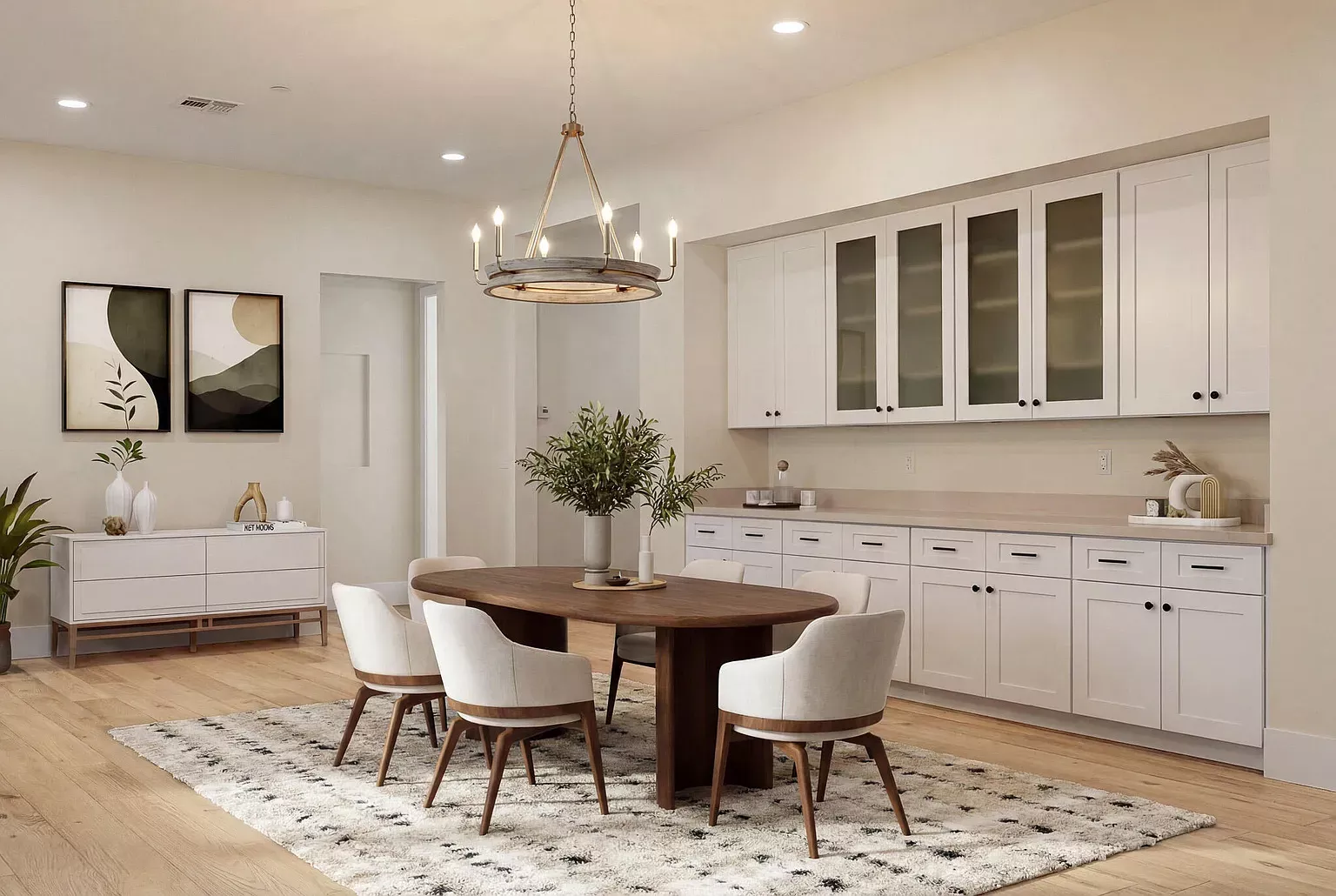
Specifications matter, but you also have to live with the floor.
Think about how the flooring will interact with:
- Cabinet colors
- Wall colors
- Furniture
- Natural light
- Architectural style
- Rugs and other textiles
- The overall color palette of your home
For a warm, sophisticated look, Doma Select 9-1/2″ offers rich golden tones, light wire-brushed texture, and a refined Select grade. It is part of the Allora Collection and is manufactured in Italy.
For a more relaxed California-inspired aesthetic, Pebble Beach from the Newport Collection offers European Oak with a warm color, wire-brushed surface, and micro-beveled edges.
And if you want your flooring to make a stronger statement, Sapele from the Exotics Collection brings a much deeper, more distinctive wood character to the space.
The goal isn’t simply to find a beautiful floor. It’s to find one that works with the rest of your home.
10. Look at the Warranty and Product Documentation
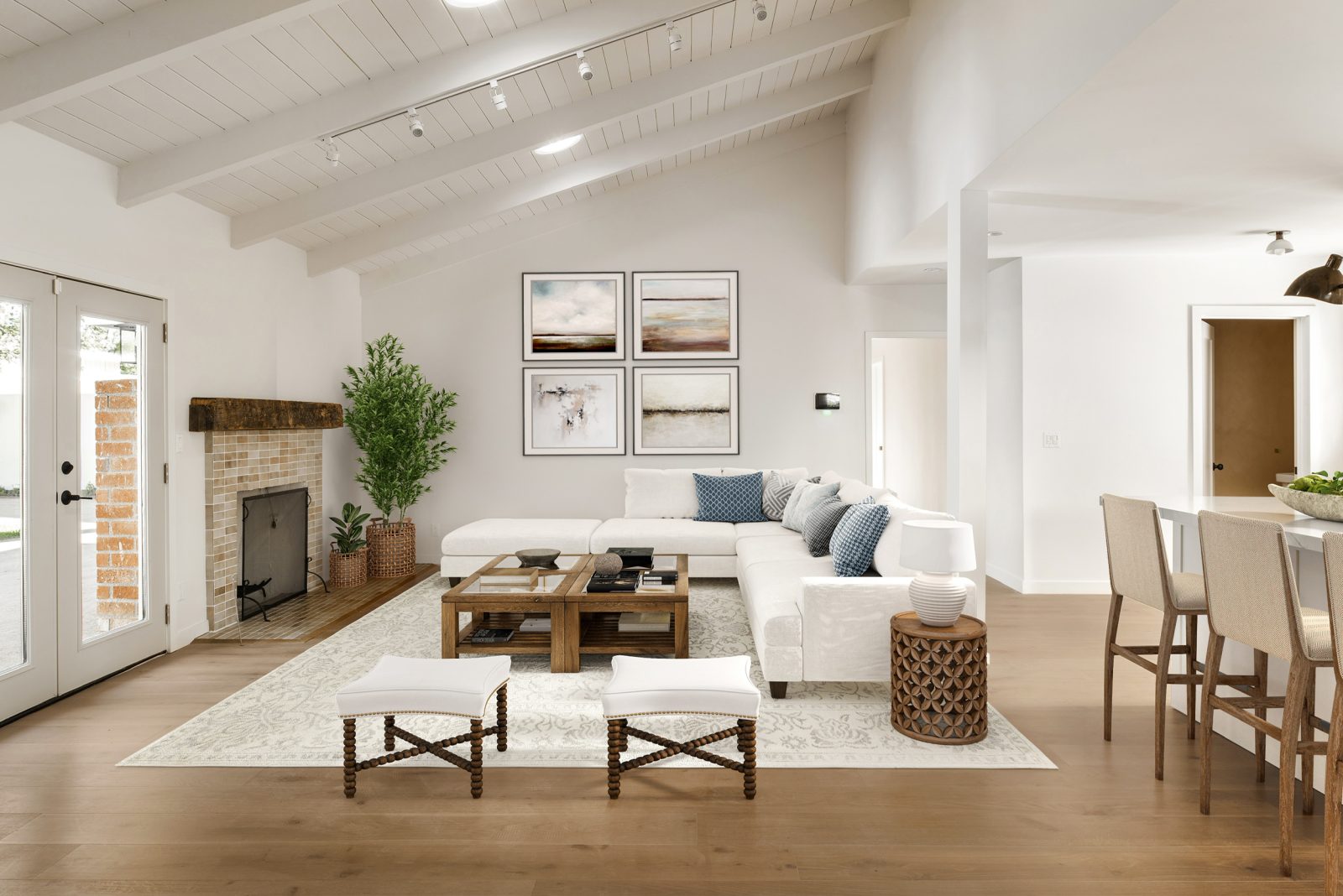
A hardwood floor is a significant investment, so take the time to understand what you’re actually buying.
Before purchasing, look for:
- Residential warranty coverage
- Finish warranty
- Structural warranty
- Installation requirements
- Maintenance instructions
- Approved installation methods
- Product specifications
A warranty isn’t a substitute for proper installation, but it can help you understand what the manufacturer stands behind.
For example, Walden carries a limited lifetime residential structural warranty and limited 25-year residential finish warranty. Doma Select 9-1/2″ carries a limited lifetime residential structural warranty and limited 25-year residential finish warranty.
Garrison also provides specification sheets, installation instructions, care and maintenance information, and warranty documentation for its flooring collections.
What Is the Most Important Thing to Look for When Buying Hardwood Flooring?
If you want the short answer, focus on construction, wear layer, finish, species, plank size, grade, installation requirements, and warranty.
Don’t choose hardwood flooring based on color alone.
A beautiful floor that isn’t appropriate for your subfloor or lifestyle can become a frustrating investment. On the other hand, a floor with the right construction, finish, and specifications can give you the look you want while fitting the practical needs of your home.
Quick Hardwood Flooring Buying Checklist
Before you buy, ask:
✓ Is it solid or engineered hardwood?
✓ What is the actual wear-layer thickness?
✓ What species is it?
✓ What finish protects the floor?
✓ What plank width and length work best in my space?
✓ How much natural variation does the grade allow?
✓ What installation methods are approved?
✓ Is it appropriate for my subfloor and installation conditions?
✓ What warranty is included?
✓ Have I seen a physical sample in my home’s lighting?
That last question is easy to overlook. Hardwood can look significantly different depending on natural light, artificial lighting, surrounding colors, and the individual variation of the wood itself. Garrison recommends viewing samples in person before making a final selection.
Explore Hardwood Flooring From Garrison
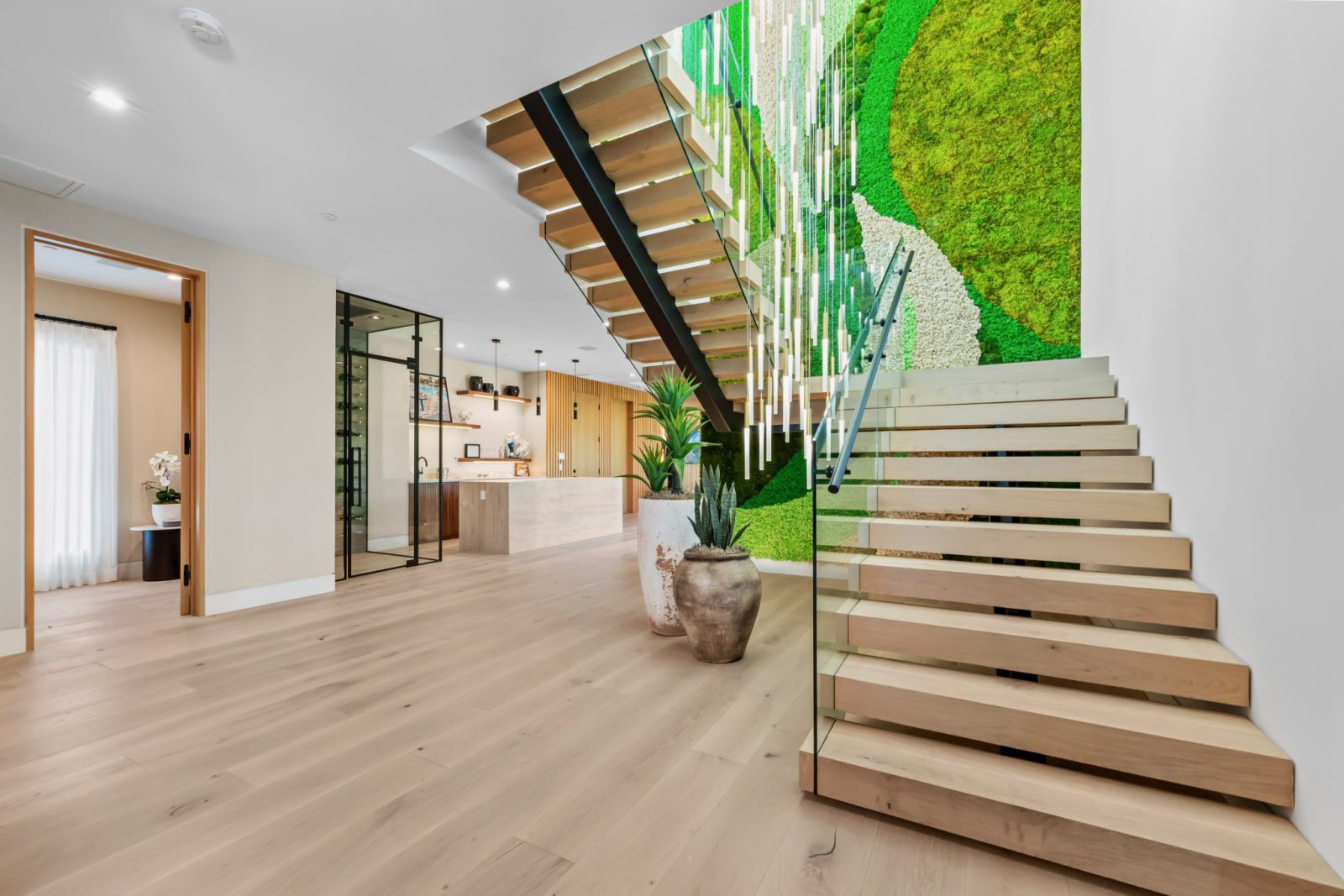
Once you know what specifications matter, the fun part is narrowing down the look.
From refined European Oak to distinctive exotic species, Garrison offers hardwood flooring in a wide range of constructions, widths, colors, grades, and finishes.
A few places to start:
For refined, wide-plank European Oak: Doma Select 9-1/2″ from the Allora Collection offers a Select grade, 4mm top layer, light wire-brushed texture, and 9-1/2″ width.
For a sophisticated modern look: Walden from the Beverly Hills Collection combines Select Character European Oak, a 4mm top layer, 9-1/2″ width, and a light wire-brushed surface.
For a bold, distinctive floor: Sapele from the Exotics Collection offers rich reddish-brown tones, distinctive grain, and a smooth finished surface.
For a relaxed California-inspired look: Pebble Beach from the Newport Collection features European Oak, a wire-brushed surface, and warm natural tones.
The best hardwood flooring for your home ultimately comes down to the combination of how you want it to look, how you need it to perform, and where it will be installed.
Take your time, compare the actual specifications, and choose the floor that makes sense for your home.